

TMJ Therapy – Harrisonburg, VA
Restore Your Quality of Life With TMJ Therapy
Do you suffer from jaw pain or headaches, or have trouble chewing comfortably? You may be one of the many people who have temporomandibular joint disorder, also known as TMD. If your TMJ isn’t working correctly, it can have a major impact on your everyday quality of life. At Harrisonburg Family and Cosmetic Dentistry, we understand how much you want relief from your symptoms, so we offer effective TMJ therapy to help your jaw joint function better. If you think you may have this common disorder, contact us today to schedule a consultation!
What Is TMJ Disorder?
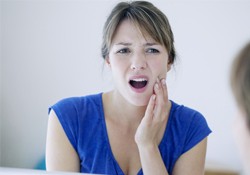
TMJ disorder is a condition that affects the muscles in the head and neck that are involved in jaw function and the TMJ joint itself.
The TMJ is quite complex because it’s the only joint that has to simultaneously work on the left and right sides. If both sides aren’t working smoothly, it’s susceptible to problems such as pain or stiffness in either the joint or the muscles surrounding it. When these structures become painful, it’s difficult to eat, speak, smile, or laugh comfortably.
What Causes TMJ Disorder?
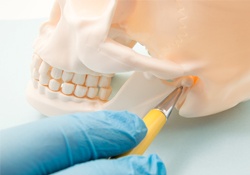
One of the most common reasons for TMJ pain is nighttime clenching and grinding, but there are other potential causes as well. This makes sense when you realize that everything in your head, neck, mouth, and jaws is connected. Here are some of the many factors that can lead to this condition:
- Stress (which increases the likelihood of clenching and grinding)
- Bite problems (e.g. overbite, underbite or open bite)
- Injuries sustained to the head, neck, or jaws
- Poor posture
- Arthritis
Signs and Symptoms of TMJ Disorder
Every person is different, but here are some of the most common symptoms from TMD:
- Headaches
- Clicking or popping of the TMJ on one or both sides
- Earaches or neck pain
- Jaw stiffness and pain
- Damage to your teeth such as fractures, chips, or a flattening of the chewing surface
- Locked jaw
Fortunately, there are ways to minimize or eliminate these symptoms, including stress management techniques, massage, occasional use of anti-inflammatory medications, warm compresses, and custom-made nightguards. However, in severe cases that don’t respond well to other treatments, we may refer you to a TMJ specialist for further evaluation and treatment.
How Can Nightguards Help With TMJ Disorder?

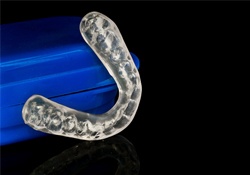
Since one of the leading factors involved in TMD is clenching and grinding, a custom-made nightguard offers a lot of relief for many people. Designed to reposition your jaws while you sleep, these appliances can reduce the tension in the joints and help them function properly. A nightguard also absorbs much of the force on your teeth to prevent chips, fractures, and other damage.
For many of our patients, wearing a nightguard for several months improves the symptoms associated with TMD and helps them live pain-free. We’re so glad to provide effective, non-surgical TMJ therapy in Harrisonburg that helps our patients get their quality of life back!
TMJ Treatment FAQs
Will My TMJ Disorder Go Away On Its Own?
TMJ symptoms can come and go, which often makes it seem like the problem has resolved itself. In reality, the underlying issue can still be present and continue to affect the jaw joint over time. If left untreated, TMJ disorder can return unexpectedly, leading to symptoms beyond the jaw, including pain or tension in the neck and back. Instead of just providing short-term relief, we focus on identifying the cause of your symptoms and creating a treatment plan designed for lasting comfort.
Does TMJ Disorder Cause Migraines?
According to recent studies, a correlation has been found between chronic migraines and severe TMJ disorder. That said, this does not point to a causation from one to the other. In some cases, TMJ disorder can potentially worsen the frequency and severity of migraines for those who are more susceptible to them. If you’re struggling with this condition, our team can work with your primary physician so that we can help address the root of the problem, allowing you to feel more comfortable in the long run.
What Can I Do at Home to Relieve TMJ Pain?
Although there isn’t a cure for TMJ that you can do on your own, you can certainly take a variety of steps to minimize discomfort. For instance, you’ll want to avoid chewing gum or any foods that are sticky or tough. This is so that you avoid excessive pressure that can irritate your TMJ. Make sure to maintain good posture, try hot and cold therapy, and practice stress relief techniques in your free time. Of course, you can take over-the-counter pain medications when needed. If discomfort continues, don’t hesitate to visit our Harrisonburg office for TMJ treatment.
Who Is Most at Risk of Developing TMJ Disorder?
TMJ disorder can occur in patients of any age or sex. Even so, research has shown that this condition is most common in women of childbearing age. While studies are still being done to understand the root cause, some researchers theorize that this can be due to hormones or the small differences between women and men regarding their TMJ anatomy.
Can TMJ Be Cured Permanently?
In many cases, acute symptoms of TMD are often a result of certain daily lifestyle habits, such as teeth clenching and grinding or chewing gum. By avoiding these factors, you can usually see indications of TMJ disorder vanishing on their own. However, to address the symptoms more directly, you might require an oral appliance, like a nightguard or occlusal splint. These can help reposition your teeth and jaws so that you don’t clench or grind your teeth during sleep while also relieving pressure from your TMJ.