

Dental Crowns – Harrisonburg, VA
A Way to Smile Confidently Again
Overall, it’s not hard for teeth to decay or get hurt. Simple things – poor brushing, accidents, etc. – can greatly harm them. That said, these facts don’t mean you have to live with busted chompers. There’s always the option of dental crowns in Harrisonburg! With our skilled dentists’ help, this procedure gives your teeth a royal treatment. Just keep reading to learn more about it, or book a visit with us in the coming days.
What is a Dental Crown?
In essence, a dental crown is a tooth-shaped restoration. This “cap” fits snugly over and covers a damaged pearly white. Once placed, it protects the tooth and restores the latter’s function and looks. (Our own office uses crowns made of high-quality dental porcelain.)
Given how crowns work, good candidates for them have one (or more) of the following:
- A tooth is cracked or broken
- An old silver filling has damaged a tooth
- One or more teeth have become worn down due to bruxism
- Cavities that can’t be fixed with fillings
- A tooth has undergone root canal therapy
Of course, you should consult our dentists before you decide anything. They’ll conduct an oral exam and assess your tooth (or teeth). That way, they’ll see whether the dental crown(s) suits you.
The Dental Crown Process

A regular crown procedure takes two dental visits. For the first, our dentists will “prep” your tooth for its restoration. You’ll receive your final crown at the second visit.
With the first visit, our team preps your tooth for its crown. Doing so means shaving off bits of the enamel layer. (That way, the crown will fit well.) Next, we’ll make an impression of the prepped tooth. A dental lab will use the resulting model to craft your crown. During that crafting, though, you’ll wear a temporary restoration.
You’ll attend the second visit when your crown is ready. Placing the cap won’t take long, nor will it involve sedation. Our dentists will just make last-minute changes to ensure a good fit. Lastly, they’ll polish the crown once it’s fully in place. You’ll then be ready to enjoy your restored smile!
All that said, it’s possible to skip the two-visit process. Our office offers CEREC® same-day crowns as well. Using the CEREC system, we can make these caps in just one visit.
The Benefits of Getting a Dental Crown
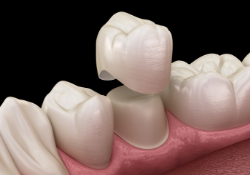
If left unchecked, your damaged tooth will cause various oral issues. A dental crown, though, helps you avoid these problems with its perks. Such benefits include:
- A Lifelike Grin – Since our dental crowns use porcelain, they’re tooth-colored and lifelike. They’ll blend seamlessly with your smile.
- Tooth Protection – Today, porcelain dental crowns are quite durable. They’ll protect your teeth from bacteria, so you won’t need root canals or tooth extractions.
- Versatile Effects – By covering the whole tooth, a dental crown can fix several oral problems. These range from cavities and tooth chips to even fractures!
- Long-Lasting Results – A dental crown can last over 15 years if you care for it well. So, brush, floss, and see your dentist often!
Understanding the Cost of Dental Crowns

Before you actually get a dental crown, you'll likely want to learn how much it'll cost. (The price affects whether or not you get treatment, after all.) The cost of dental crowns varies, though; you’ll need to consult our team for a precise estimate. Only then can our team make your care more affordable, all while outlining its pricing factors, the role of dental insurance, and so on. For more details, simply keep reading or call us in the coming days!
Factors That Affect the Cost of Dental Crowns
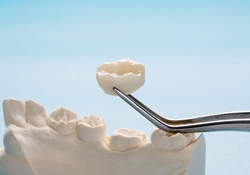
When you first meet our dentists, you’ll consult them about your treatment. This discussion will review several factors that affect a dental crown’s price, including:
- Material of Crown – The material used for your dental crown will naturally affect its price. Metallic ones (gold, silver, etc.) tend to cost little, while those made of ceramic, porcelain, and other tooth-colored substances can get expensive.
- Severity of Damage – In most cases, a dental crown costs more when a tooth is greatly damaged. Teeth with major breaks or cracks usually need a pricey root canal first.
- Processing Method – While a crown processed “traditionally” isn’t too costly, one processed with CEREC technology can have a much higher price.
Besides such points, note that “cheap” crowns don’t usually work well. Their poor quality is the very reason they have low prices in the first place. As such, you’d do well to get a moderately-priced crown to ensure ideal results.
Does Dental Insurance Cover Dental Crowns?

Dental crowns nearly always enjoy coverage from dental insurance. Indeed, the average plan meets up to 50% of a crown’s final cost; it sees the treatment as medically necessary. That means most patients can enjoy benefits once they meet their deductible.
On the other hand, there are occasional exceptions. A plan may have restrictions on crown coverage, not cover crowns at all, and so on. That said, please confirm your policy’s benefits before you commit to anything. Our dental team will gladly help you do so if necessary.
Other Options for Making Dental Crowns Affordable

While dental insurance is the most common way to make dental crowns affordable, it isn’t the only one. You can always rely on our practice’s payment options to help with treatment costs. By picking the right one, you’ll ensure your final crown is budget-friendly.
We at Harrisonburg Family and Cosmetic Dentistry happen to offer:
- Dental Membership Plans – By paying a monthly fee, you can join our practice’s membership plan. This arrangement would give you major discounts on dental crowns, among other things.
- Flexible Financing Program – Our office proudly works with CareCredit, a reputable third-party financial lender that helps with dental treatments. They’d let you pay for dental crowns in manageable monthly installments that don’t empty your bank account.
Rather than strain your finances, see us to make your crown affordable. We’ll ensure your final treatment helps your smile inexpensively.
Dental Crowns FAQs
Will My Dental Crown Look Natural?
Modern dental crowns, particularly those made from high-quality dental porcelain such as the ones at our Harrisonburg office, are designed to closely match the color and shape of surrounding teeth. The shade is matched carefully before the crown is fabricated, and the shape of the restoration will look exactly like your other natural teeth—thanks to highly accurate CEREC digital impressions. This goes for crowns placed on molars, as well as those placed on the front, more visible teeth. The result is a dental restoration that blends seamlessly with the rest of the smile and functions just like your original, healthy tooth.
Does Getting a Dental Crown Hurt?
You’ll be glad to hear that getting a dental crown doesn’t hurt at all, as the procedure is performed after your mouth has been numbed, meaning discomfort during the appointment is very minimal. Some sensitivity or soreness around the tooth and gum tissue is normal in the days following the procedure, particularly to temperature or pressure. Over-the-counter pain relievers can usually help manage any post-procedure discomfort. If pain is significant or persists beyond a couple of weeks, it might mean the crown wasn’t placed properly, or it’s compromised—in which case, you shouldn’t hesitate to let us know.
What Is the Difference Between a Crown & a Veneer?
A dental crown covers the entire tooth down to the gum line, while a veneer covers only the front-facing surface. But because veneers are thinner and less invasive, they require minimal removal of tooth structure, meaning they're better suited for cosmetic improvements rather than structural ones. They tend to work well for teeth that are healthy but have aesthetic concerns, such as discoloration, minor chips, or uneven shape. Crowns, on the other hand, are the go-to choice when a tooth is significantly damaged, weakened, or in need of functional restoration, and they can sometimes require a little more alteration to the existing tooth.
How Long Will My Dental Crown Last?
With proper care, dental crowns typically last between 10 and 15 years, and many can last considerably longer. Their longevity depends on several factors, such as the material the crown is made from, where it's located in the mouth, the forces it's subjected to, and how well it's maintained. Good oral hygiene, which includes daily brushing, flossing, and attending regular dental checkups, plays a significant role in extending the life of a crown. Keep in mind that habits like grinding teeth or chewing ice cubes can shorten a crown’s lifespan and even cause it to break or fall out entirely.